
Songbirds
Small and medium-sized birds with many calls, colours, and ways of moving. Many also visit backyards.
Bird Guides
Use these bird identification guides when you have a likely species or bird group in mind. Start with size and shape, then compare sound, behaviour, habitat, range, season, and field marks.
Recognize the group first
Don’t begin with the tiniest mark. First ask what kind of bird it looks like: songbird, woodpecker, raptor, waterfowl, owl, hummingbird, or something else. Then use size and shape and the full bird-identification guide to narrow it down.
Small and medium-sized birds with many calls, colours, and ways of moving. Many also visit backyards.
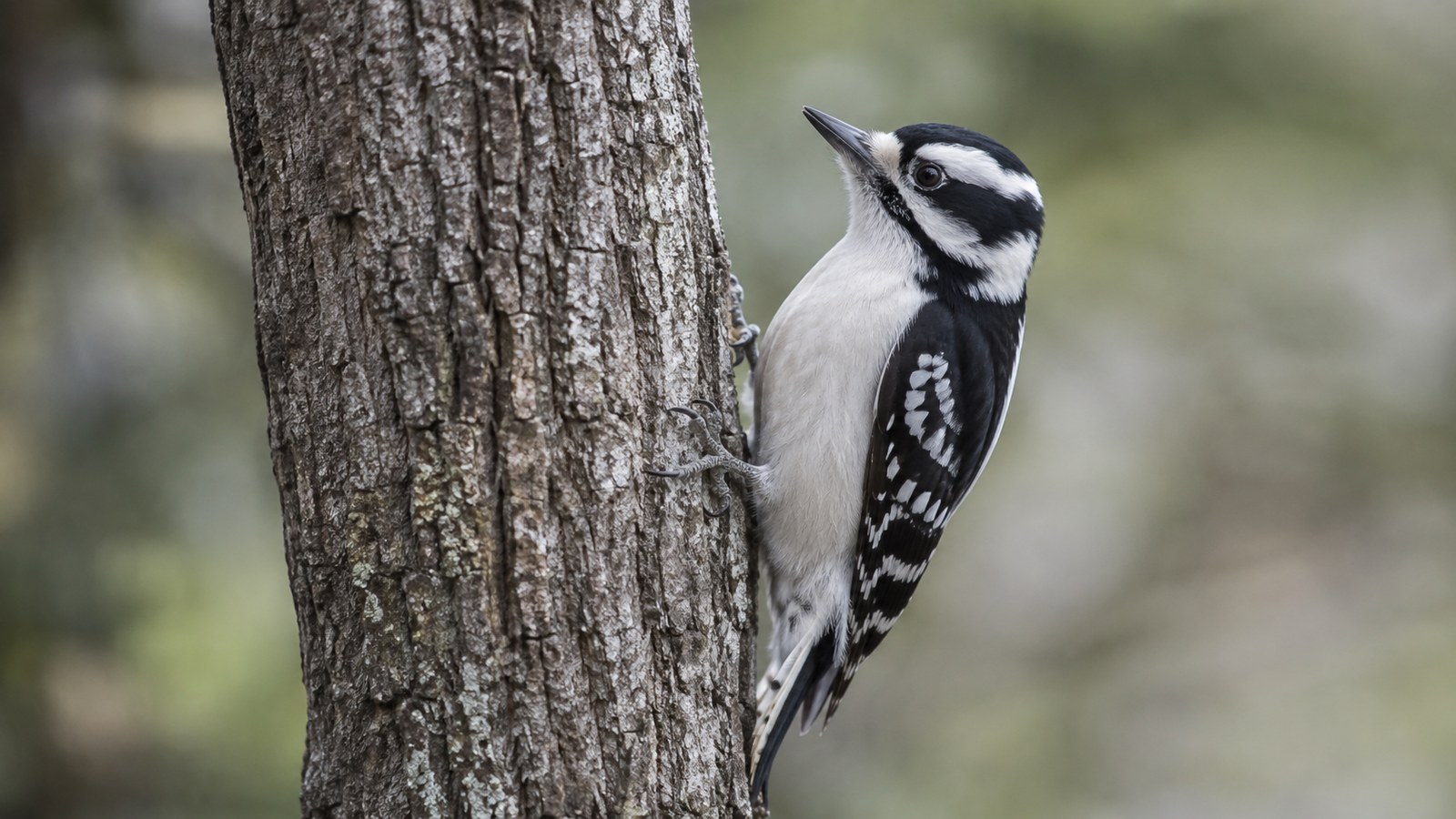
Tree-climbing birds with strong bills and feet. Their tapping and drumming can be good clues.
Compact songbirds that work along trunks and branches, often moving headfirst down bark.
Birds of prey that stand out by shape, flight style, habitat, and hunting behaviour.
Birds of ponds, lakes, rivers, wetlands, and coasts. Shape and seasonal plumage are often strong clues.
Many owls are active at night. You may hear a call before you ever see the well-hidden bird.
Small, fast-moving birds drawn to flowers and nectar feeders across many parts of North America.
Anatomy and flight
Wing shape, tail use, bills, bones, breathing, and flight style help explain what a bird can do and can also support identification.
Start with lift, thrust, drag, gravity, feathers, muscles, takeoff, gliding, and landing.
Look closely at primaries, secondaries, coverts, wing shape, flapping, and gliding.
Follow the coordinated changes in wings, feathers, tail, speed, banking, and body angle.
Connect tail shape with flight control, balance, climbing, visual signals, and field marks.
Replace the empty-bone myth with a practical picture of air spaces, reinforcement, strength, and variation.
See how rigid lungs and air sacs support the energy demands of active flight.
Bird senses
Vision, hearing, smell, taste, and memory help birds identify food, danger, mates, and one another.
Compare distance detail, motion, depth, color, wide views, and dim-light vision.
Learn how visible and ultraviolet color can guide food choice, signals, and courtship.
See how birds hear calls, alarms, mates, and prey without visible ear flaps.
Correct the old myth and compare species that use scent strongly with familiar songbirds.
Put sight, sound, scent, memory, movement, and habitat knowledge together.
Bird intelligence and memory
Birds solve different problems according to their lives. These guides separate strong evidence from human-like assumptions.
Compare learning, memory, communication, flexible behaviour, tools, and social skills without using a single IQ score.
Follow memories of food, routes, songs, places, threats, and familiar individuals.
Watch exploration, repeated actions, experience, and social learning work together.
See what crow and mockingbird studies show about faces, encounters, voices, and routines.
Learn how caching birds use spatial memory and landmarks to recover stored food.
Molting and feather care
Seasonal molt can change a bird's colors and shape, while preening and bathing keep the current feathers clean and aligned.
See why worn feathers must be replaced and how new plumage grows.
Compare after-breeding, prebreeding, juvenile, and migration-related schedules.
Learn why most birds keep flying and why many ducks briefly cannot.
Follow the bill as it cleans, realigns, and conditions feathers.
Courtship and territory
Song, color, displays, food, territory, and chases can all become more noticeable as birds prepare to nest.
Connect songs, visual displays, food offerings, territory, and nest sites.
Compare one-nest partnerships, seasonal pairs, and long-lasting bonds.
Interpret leaps, bows, struts, synchronized movements, and flight displays.
Understand song perches, threat displays, chases, feeders, and reflection attacks.
Separate warnings and displacements from courtship, mobbing, play, or combat.
Use color differences carefully while allowing for age, season, light, and exceptions.
Sleep and roosting
Roost choice changes with bird group, weather, season, and whether a species is active by day or night.
Compare sheltered branches, shrubs, cavities, water, ledges, and communal roosts.
Compare daytime birds, nocturnal birds, short rests, and nighttime migration.
Learn when adults, eggs, nestlings, and fledglings use the nest.
Understand the low-effort toe grip and the importance of balance.
Nests, eggs, and young birds
Move from nest building and incubation to hatching, fledging, and safe help for a young bird on the ground.
Compare incubation times and learn when the clock really starts.
Compare nestling periods and what happens after fledging.
Identify a nestling, fledgling, injured bird, or bird in danger before acting.
Separate nest reuse from returning to the same territory, site, cavity, or box.
Bird superlatives
These visual guides collect birds that stand out. Beauty is subjective, while smallest and largest depend on whether you compare weight, length, height, or wingspan.
Meet 12 birds chosen for vivid colour, bold patterns, elegant shapes, and remarkable display feathers.
See how bare heads, spoon bills, lobed toes, display sacs, crests, and other odd features do real jobs.
Start with the Calliope Hummingbird, then compare other hummingbirds, Bushtits, kinglets, and creepers.
Compare condors, pelicans, swans, cranes, eagles, herons, turkeys, and geese by several measures.
Common species guides
Our Common Birds section now includes familiar songbirds, woodpeckers, hummingbirds, and Bald Eagle. We are adding species in small batches so each guide stays detailed enough to answer real identification searches.
Common birds
Species pages work best when you already have a likely name. Start with familiar birds people see and search for often, then compare the details with what you actually saw.
Use the growing species library for identification, sounds, food, nesting, behaviour, range, and look-alikes.
All black, broad winged, social, adaptable, and known for the familiar caw.
Larger than a crow, with a heavy bill, shaggy throat, wedge-shaped tail, and deep croak.
A familiar orange-breasted thrush of lawns, parks, woods, and fruiting trees.
Learn the bright breeding male, dull winter plumage, bouncing flight, seed diet, and feeder habits.
Use the tiny size and short bill, then compare tail spots, calls, drumming, food, and nesting.
Compare male colour, female streaking, song, feeder behaviour, nesting, and the Purple Finch look-alike.
Look for ground feeding, a pale bill, flashing white tail feathers, regional forms, and winter flocks.
Use breast streaking, the central spot, long rounded tail, habitat, regional form, and song.
Learn the gray crest, black forehead, peach flanks, peter-peter song, cavity nest, and feeder habits.
Look for a white eyebrow, reddish back, buff belly, cocked tail, loud song, and dense cover.
Use the striped face, rusty belly, nasal call, conifer habitat, irruptions, and feeder choices.
Compare its long bill, larger body, clean outer tail, voice, forest habitat, food, and nesting.
Learn the two crown forms, white throat, yellow lores, whistle, migration, and ground feeding.
Learn adult and juvenile plumage, broad-winged flight, food, huge nests, calls, range, and similar raptors.
Use rusty plumage, heavy streaks, yellow eyes, brushy habitat, leaf tossing, and paired song phrases.
Combine grassland habitat, yellow breast, black V, white tail edges, and clear slurred whistles.
Use range and a rich bubbling song to separate this western grassland bird from its eastern look-alike.
Look for even yellow plumage, fine chestnut streaks on males, wet thickets, and a bright accelerating song.
Learn the small plain shape, barred tail, cavity nesting, quick movement, and bubbling jumbled song.
Follow orange or yellow tail flashes, restless insect hunting, high song, migration, and age differences.
Use the spotted belly, breast crescent, white rump, ground feeding, calls, and yellow or red wing lining.
Learn the male's rose-pink crown and throat, rough song, dive display, year-round western range, food, and nesting.
Learn the male red throat, female plumage, eastern range, migration, calls, nectar feeding, and nesting.
Identification basics
Combine structure, pattern, behaviour, habitat, sound, region, and season.
Use the bird as its own ruler and compare familiar silhouettes.
Describe pitch, pace, rhythm, repetition, and tone before choosing a species.
Compare posture, foraging, climbing, swimming, flocking, and flight style.
Use head patterns, wing bars, breast streaks, rump patches, and tail markings.
Turn red, yellow, black, brown, blue, gray, or orange into a shortlist using the whole bird.
Compare size, eyebrow, colour, song, range, and backyard nesting.
Use clear slurred whistles versus rich bubbling phrases, then check range.
Compare plumage, wing flashes, leaf tossing, habitat, calls, and repeated phrases.
Understand male, female, juvenile, seasonal, moulting, worn, wet, and backlit birds.
Use the core clues first, then bring in observation and regional guides.
Apply size, shape, colour pattern, behaviour, habitat, sound, range, and season to eight familiar birds.
Compare a streaked, longer-tailed native sparrow with a stockier bird associated with buildings.
Compare throat patch, yellow lores, crown form, age, bill, habitat, sound, and season.
Use eye line, bill, breast spot, shape, season, habitat, and sound.
Compare tail length, bill size, fine versus coarse streaking, yellow near the eye, habitat, and sound.
Use size, bill, chevrons, eye line, leaf scratching, season, and regional form.
Finch guides
Use structure, plumage, behaviour, range, and season rather than relying on a single colour.
House, Purple, Cassin’s, goldfinch, siskin, redpoll, Evening Grosbeak, and Pine Grosbeak.
Compare red placement, female face pattern, streaking, bill, head, tail, and habitat.
Use range, crown, bill, red placement, female face pattern, undertail, wings, tail, and sound.
Separate them by streaking, bill shape, winter plumage, wings, tail, flight, calls, and occurrence.
Use bill size, wing contrast, tail length, plumage, food, calls, and winter movement.
Compare cap, face, bill, streaking, wing bars, yellow flashes, calls, and flock behaviour.
Common backyard woodpeckers
Use size, bill proportion, back pattern, head markings, wing and tail colour, calls, drumming, behaviour, habitat, region, age, and season.
Compare Downy, Hairy, Northern Flicker, Pileated, Red-bellied, Red-headed, Yellow-bellied Sapsucker, and Red-breasted Sapsucker.
Use bill proportion, body size, outer-tail markings, calls, drumming, perch size, age, sex, range, and habitat.
Compare shaft colour, male moustache, face, crown, nape, sex, range, migration, and intermediate birds.
Use geography, red distribution, face stripes, nape, throat, wing patch, age, sap wells, sound, and hybrids.
Use the whole head, barred or solid back, white wing patches, belly, sex, juveniles, behaviour, habitat, and range.
Compare size, colour, crest, white rump, white underwings, feeding style, flight, calls, drumming, and tree signs.
Practise with chickadees
Compare six species using head pattern, back, wings, sides, habitat, range, behaviour, and sound.
Use range and song first, then check wing edging, flank colour, photographs, and the contact zone.
Look for the white eyebrow, then check conifers, elevation, side colour, wings, movement, and sound.
Compare cap, nape, cheek, bib, warm sides, wings, spruce habitat, range, lighting, and calls.
Check chestnut versus gray back, sides, wings, Pacific habitat, sound, and regional variation.
Compare whistles, call pace, scratchy notes, buzzes, gargles, habitat, range, and regional variation.
Nuthatch identification
Use the head, belly, size, forest, region, movement, and voice to separate familiar nuthatches.
Compare White-breasted, Red-breasted, Pygmy, and Brown-headed Nuthatches.
Check face stripes, belly colour, size, bill, habitat, voice, sex, movement, and feeder visits.
Use crown, eyebrow, eye stripe, belly, size, western conifer habitat, voice, and flocking.
Let region lead, then compare cap, nape, pine habitat, size, calls, and social behaviour.
Compare size, crown, white face, bill, southeastern habitat, voice, feeder behaviour, and age.
Compare nasal yanks, piping, wheezy squeaks, pace, repetition, flock chatter, habitat, and region.
Titmouse identification
Use the crest, face, habitat, location, and voice to identify common titmice.
Compare Tufted, Black-crested, Bridled, Oak, and Juniper Titmice.
Compare the crest, forehead, voice, location, and central Texas hybrids.
Let location and habitat lead, then compare colour and voice.
Compare whistles, rolling songs, scratchy calls, location, and visible clues.
Use face pattern, oak or juniper habitat, exact location, and voice.
Compare crest, head pattern, size, sound, and feeder behaviour.
Bird sounds
Connect songs, short calls, and drumming with the species and habitats you already know.
Sound-rich species guides
Start with the sound, then confirm the bird with plumage, shape, habitat, range, and behavior.
Tail wagging, low perches, sheltered nests, and a short raspy song.
A cat-like mew and a varied song from dense shrubs and vine tangles.
Repeated imitations from exposed perches in open neighborhoods and parks.
A sharp call, musical trill, and noisy scratching beneath brush.
A buzzy territorial song carrying over cattail marshes and wet fields.
A strongly repeated song and husky call from low wetland vegetation.
Seasonal bird guides
Season changes which birds can be found in a place. These guides explain the movements behind breeding, winter, and passage ranges.
Winter bird behaviour
These guides connect insulation, shelter, food, roosting, and seasonal movement without treating every bird as though it follows the same winter plan.
Start with the broad guide to feathers, metabolism, food, circulation, and roosts.
Learn how birds respond and why there is no single dangerous temperature for every species.
Find out how evergreens, shrubs, cavities, reeds, and protected sites block wind and snow.
Follow the daily balance among feeding, stored energy, insulation, and a long cold night.
See how cold changes calorie needs without making every wild bird dependent on feeders.
Food, shelter, suitable habitat, cold tolerance, and migration costs all shape the choice.