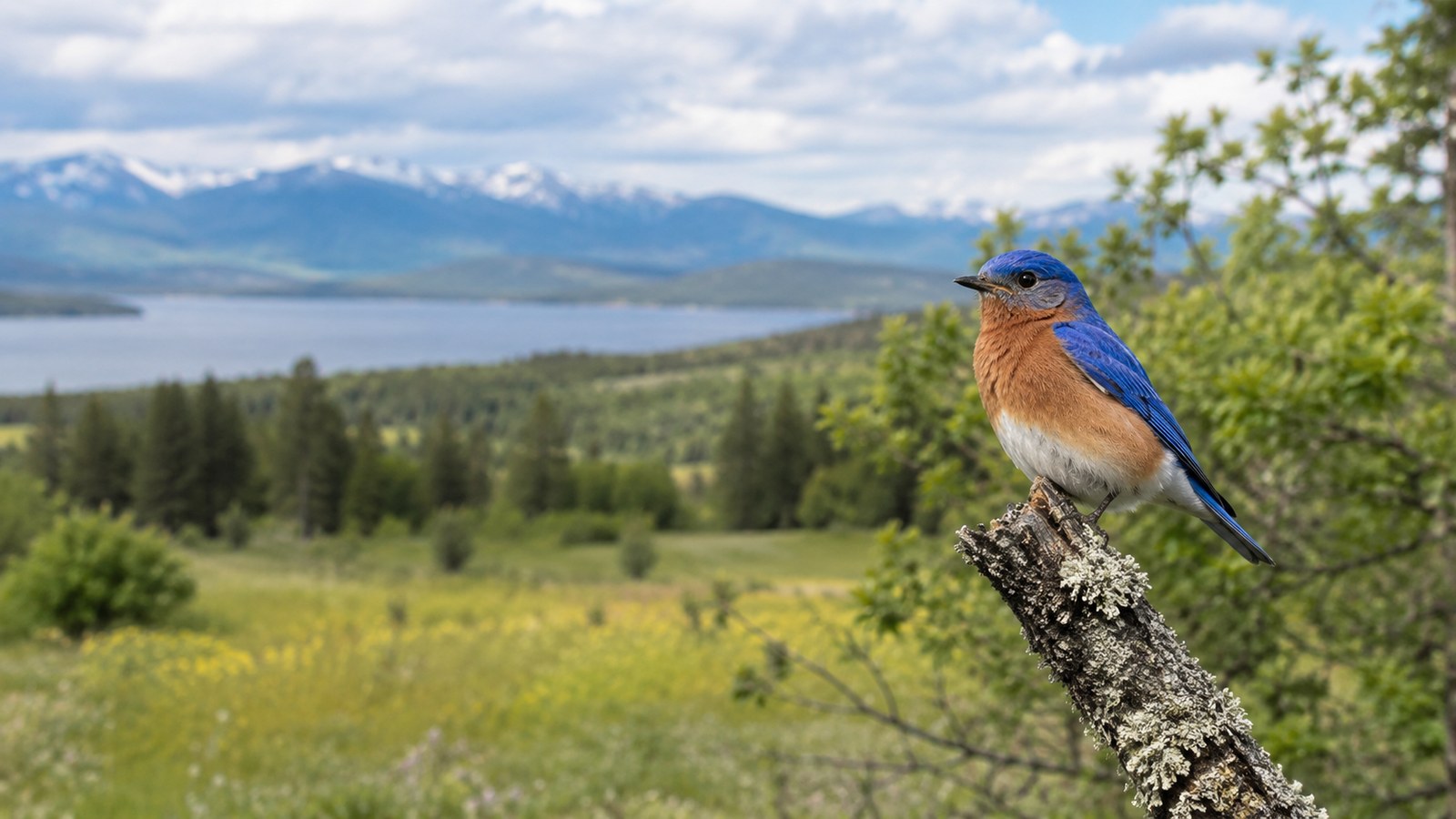
Regional starting points
Match broad geography with habitat and season
These summaries are starting points, not fixed checklists. Birds cross borders and move with weather, food, migration, and breeding seasons.
Birds in Canada
Southern Canada shares many backyard birds with the northern United States. Farther north, boreal forest, prairie, coast, tundra, and major migration routes change the mix.
Start with common North American birds, then compare familiar species such as the Black-capped Chickadee, American Robin, and Red-breasted Nuthatch. Province, habitat, and date still matter.
Birds in the United States
The continental United States spans Atlantic and Pacific coasts, deserts, grasslands, forests, mountains, wetlands, and subtropical areas. Region and season quickly narrow the choices.
Use the bird identification guide with exact location and habitat, then compare widespread birds such as the American Robin, Blue Jay, and Northern Cardinal where their ranges fit.
Northeast
Deciduous forest, old fields, suburbs, lakes, and Atlantic shoreline support residents and a strong spring and fall migration. Useful starting points include the Eastern Phoebe, Gray Catbird, and Tufted Titmouse.
Southeast
Long summers, pine woods, bottomland forest, marshes, coast, and dense scrub support many year-round birds along with winter visitors. Compare familiar species such as the Northern Mockingbird, Carolina Wren, and Northern Cardinal.
Midwest and Great Lakes
Prairie, farmland, woodland, wetlands, and vast shorelines meet major migration routes. Good starting points include the Red-winged Blackbird, Eastern Meadowlark, and American Goldfinch.
Southwest
Elevation and water can change the bird list within a short drive. Desert scrub, river corridors, oak woodland, mountain conifers, and cities each support a different mix. Compare adaptable birds such as the Northern Mockingbird and Red-tailed Hawk, then use habitat and elevation to narrow the list.
Pacific Northwest
Coastal water, temperate rainforest, dry interior valleys, mountains, and urban gardens create sharp local differences. Useful starting points include Anna’s Hummingbird, the Red-breasted Nuthatch, and the Northern Flicker.
Western North America
Coasts, basins, ranges, desert, prairie, and mountain forest make elevation and habitat as important as latitude. Compare birds such as the Western Meadowlark, Red-tailed Hawk, and Northern Flicker, then account for season and local habitat.