
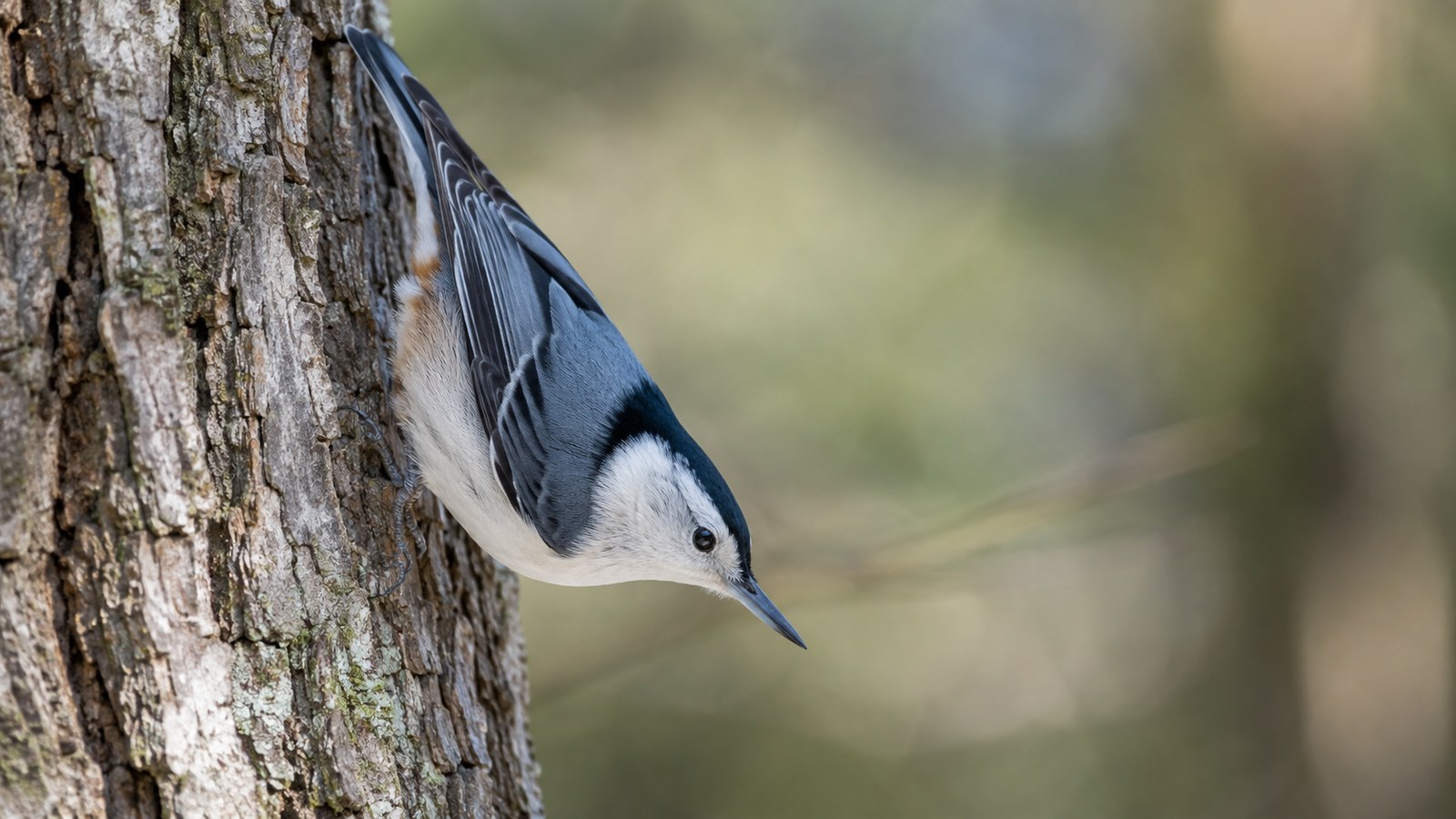
Native should mean native to your region
A plant can be native to North America and still be a poor choice for your yard. The continent includes deserts, rainforests, prairies, coastlines, mountains, wetlands, and northern forests. A species that belongs naturally in one of those places may not belong in another.
Start with your province or state. Then narrow the list with a regional database, conservation group, native-plant society, public garden, extension office, or trusted nursery. Birds Canada organizes choices for Canadian regions, while Audubon and the National Wildlife Federation offer location-based tools in the United States.
Confirm the scientific name
Common plant names can refer to several different species. Two plants sold under a similar common name may have different native ranges, mature sizes, or wildlife value. Write down the scientific name before buying and compare it with a trusted regional source.
This also helps when a nursery label says only “native” without explaining where the plant is native. Ask for the full species name and local origin when that information is available.
Observe the planting site first
A bird-friendly plant still needs the right growing conditions. Watch the location for several days before deciding what belongs there. Notice when direct sun reaches it, how quickly the soil dries, whether water collects after rain, and how much wind the area receives.
Also note snow storage, reflected heat from walls, salt exposure near roads or coastlines, foot traffic, pets, and roof runoff. These details often determine whether a plant becomes a lasting part of the habitat or needs constant rescue.
Match the plant to light, soil, and moisture
Use the plant's natural preferences instead of trying to force every species into the same garden bed. A moisture-loving shrub placed in a dry sunny corner may struggle, while a prairie flower in heavy shade may never bloom well.
Birds benefit most when plants stay healthy enough to produce leaves, insects, flowers, fruit, seeds, and shelter. Choosing the correct site is part of choosing a bird-friendly plant.
Check the mature height and width
A small nursery plant may eventually become a wide shrub or a large tree. Check its mature size before planting near a house, walkway, utility line, neighbour's property, or narrow balcony.
Allowing the plant enough room reduces heavy pruning and helps it develop the natural shape that provides nearby cover. It also protects windows, foundations, fences, and paths from an avoidable conflict later.
Choose the resource you want to add
Different plants support birds in different ways. One may host caterpillars, another may produce berries, and another may provide dense winter shelter. Decide which resource is missing from your yard.
- Insects: leaves and stems that support caterpillars and other invertebrates
- Fruit: berries or other fruit that ripen when birds are likely to use them
- Seeds: flower heads, grasses, cones, or nuts
- Nectar: flowers used by hummingbirds and pollinating insects
- Shelter: dense branches, evergreen foliage, or layered cover
- Nesting: suitable structure, concealment, and nearby food
Plan for more than one season
A garden can look busy in midsummer and offer little during spring migration, autumn movement, or winter. Look for a sequence of flowering, fruiting, seeding, and shelter rather than choosing every plant for the same month.
A good mix might include spring flowers, summer insect-supporting foliage, autumn fruit or seeds, and an evergreen or dense shrub for winter cover. The exact plants should come from your regional list.
Build layers instead of a flat bed
Birds use different heights. Trees can offer canopy food and perches, shrubs can provide fruit and protected lower cover, and flowers or grasses can support insects and seeds close to the ground.
You don’t need every layer in a small yard. Even a shrub with native flowers and a ground-level planting below it creates more structure than a single isolated plant surrounded by bare soil.
Look for plants that support insects
Many birds feed insects to their young, and native plants can support the caterpillars and other invertebrates that local birds recognize as food. A plant's value is therefore not limited to visible berries or nectar.
The National Wildlife Federation's Native Plant Finder ranks plants by the butterflies and moths that use them as caterpillar host plants in a visitor's area. It’s a good reminder that a bird-friendly garden is about the food web as well as its appearance.
Avoid invasive plants
Don’t assume that a plant is harmless because birds eat its fruit. Some invasive plants spread through natural areas after birds carry the seeds. Check provincial, state, and local invasive-species lists before buying or accepting a plant.
When you remove an invasive shrub or vine, replace it with a suitable native plant. Aim for similar cover or food without adding another plant that can spread into nearby habitat.
Ask how the plant was grown
A local native-plant nursery can often explain seed source, growing conditions, mature size, and whether a plant is the straight species or a named cultivar. Those details can matter when the goal is ecological value rather than colour alone.
Avoid collecting plants from wild areas. Purchase from responsible growers, use permitted seed sources, or follow a local plant society's propagation guidance.
Be cautious with cultivars
A cultivar is a selected form of a plant, often chosen for colour, size, flower shape, or growth habit. Some still provide plenty for wildlife, while others may change the flowers, fruit, leaves, or timing that birds and insects use.
When the ecological effect is uncertain, the locally appropriate straight species is a dependable starting point. Ask a regional expert about cultivars that are commonly recommended in your area.
Containers can still help
A balcony, patio, or rented home can support native plants. Choose compact species suited to the available sun and wind, use a container large enough for the mature roots, provide drainage, and plan for watering.
Containers dry faster than garden soil and may need winter protection in cold regions. Confirm that the plant can handle the conditions of an above-ground pot, which may be harsher than the regional outdoor temperature suggests.
Avoid pesticides around the habitat
A garden intended to support birds should also support the insects they eat. Broad pesticide use can reduce that food and leave residues on flowers, leaves, water, and feeding surfaces.
Accept some chewed leaves. They may show that the plant is participating in the local food web. Use the least disruptive response when a genuine plant-health problem needs attention.
Start with one manageable area
You don’t need to replace an entire yard at once. Choose one bed, fence line, balcony grouping, or patch of lawn. Learn how the light, soil, plants, insects, and birds interact before expanding.
Robin and I enjoy watching gradual changes because each new plant gives us another reason to look outside. A small successful planting is better than a large plan that becomes difficult to maintain.
A plant-selection worksheet
| Question | What to record |
|---|---|
| Is it native here? | Regional range, scientific name, and trusted source |
| Will it grow here? | Sun, soil, moisture, wind, and winter conditions |
| Will it fit? | Mature height, width, roots, and distance from structures |
| What will it provide? | Insects, fruit, seeds, nectar, shelter, or nesting structure |
| When does it provide something? | Flowering, fruiting, seeding, and winter-cover seasons |
| Can I maintain it? | Watering, pruning, container care, and cleanup needs |
Frequently asked questions
How do I know whether a plant is native to my area?
Check a regional native-plant source or a trusted local nursery. Confirm both the scientific name and whether the plant naturally belongs in your area.
Does native mean native to my whole country?
A plant should be native to your region or local ecosystem, not merely somewhere in Canada or the United States. Local range and growing conditions matter.
Can I grow native plants for birds in containers?
Yes. Choose compact plants suited to containers, match the pot to the mature root system, provide drainage, and use species native to your region and suitable for the available light.
What should I plant first for birds?
Begin with one manageable area and choose a plant that suits the site while providing a real resource such as insects, fruit, seeds, nectar, or shelter.